
-I-AmLadyDynamite
Well-Known Member
Be Aware: October: Part Two
When people think of October, three things come to mind: Beer (Octoberfest), Halloween, and Boobs (Breast Cancer). There's actually many things to be aware of in October. Here's four more events this month, and that's still not all. A quick search of October observances shows so much more is going on around the world.

Mental Illness Awareness Week: Mental Illness Awareness week occurs the first full week of October (October 4-10, 2015).
A few facts about mental illness:
- Approximately 1 in 5 adults in the U.S.—43.7 million, or 18.6%—experiences mental illness in a given year.
- Approximately 1 in 5 youth aged 13–18 (21.4%) experiences a severe mental disorder at some point during their life. For children aged 8–15, the estimate is 13%.
- 1.1% of adults in the U.S. live with schizophrenia.
- 2.6% of adults in the U.S. live with bipolar disorder.
- Just over half (50.6%) of children aged 8-15 received mental health services in the previous year.
- Half of all chronic mental illness begins by age 14; three-quarters by age 24. Despite effective treatment, there are long delays—sometimes decades—between the first appearance of symptoms and when people get help.
A few mental illnesses and related conditions to mention:
- ADHD
- Anxiety Disorders
- Autism
- Bipolar Disorder
- Borderline Personality Disorder
- Depression
- Dissociative Disorders
- Eating Disorders
- Obsessive-Compulsive Disorder
- Posttraumatic Stress Disorder
- Schizoaffective Disorder
- Schizophrenia
- Anosognosia
- Dual Diagnosis
- Psychosis
- Self-harm
- Sleep Disorders
- Suicide
A few ways you can show your support:
- Learn about mental illness and warning signs that you or a loved one could be affected.
- Share your story: do you have a mental illness? Does a loved one? Share your story to show support and raise awareness to those around you.
- GO GREEN! Ribbons, clothes, hair, or simply turn your social media pages green!
- Hold a fundraiser and donate! There are many reputable organizations trying to find better treatments and support systems everyday that could use help in funding.

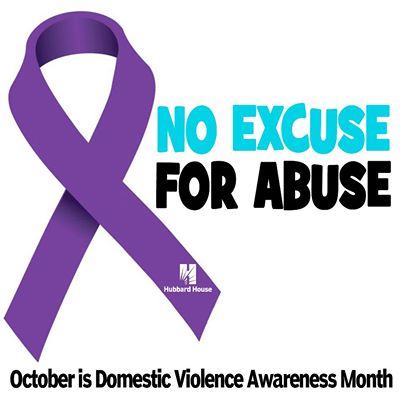
Domestic Violence Awareness: Domestic Violence is a situation between family or household members involving physical assault, sexual assault, or fear of physical harm. Family or household members include: spouses / former spouses, those in (or formerly in) a dating relationship, adults related by blood or marriage, and those who have a biological or legal parent-child relationship.
A Few Facts about Domestic Violence:
- Every 9 seconds in the US, a woman is assaulted or beaten
- On average, nearly 20 people per minute are physically abused by an intimate partner in the United States. During one year, this equates to more than 10 million women and men
- 1 in 3 women and 1 in 4 men have been victims of [some form of] physical violence by an intimate partner within their lifetime.
- 1 in 7 women and 1 in 18 men have been stalked by an intimate partner during their lifetime to the point in which they felt very fearful or believed that they or someone close to them would be harmed or killed
- Only 34% of people who are injured by intimate partners receive medical care for their injuries
- 1 in 5 women and 1 in 71 men in the United States has been {sexually assaulted} in their lifetime
- 72% of all murder-suicides involve an intimate partner; 94% of the victims of these murder suicides are female.
- 1 in 15 children are exposed to intimate partner violence each year, and 90% of these children are eyewitnesses to this violence
What You Can Do:
- Donate an old cellphone you don't use: victims can still use these to dial 911
- Donate to a coalition against Domestic Violence or a shelter for victims of Domestic Violence
- Speak out against Domestic violence, raise awareness
- Join a "Take A Stand" event
- "End the Silence, Stop the Violence": Speak up if you or someone you know is a victim, the life you save could be your own.
- Volunteer at a crisis center


Liver Cancer Awareness: also called Hepatic Cancer; cancer that begins in the cells of the liver. The liver is the football-sized organ in the upper right area of the belly. Liver cancer is difficult to cure. Primary liver cancer is rarely detectable early, when it is most treatable. Secondary or metastatic liver cancer is hard to treat because it has already spread. The liver's complex network of blood vessels and bile ducts also makes surgery difficult.
A Few Facts about Liver Cancer:
- Symptoms are uncommon in the early stages of liver cancer. Later, symptoms may include weight loss, belly pain, vomiting, and yellowed skin.
- Treatments vary but may include removal of part of the liver, transplant, chemotherapy, and in some cases radiation.
- Liver cancer is most commonly found in individuals aged 19+
- Not all cancers that affect the liver are liver cancer. Cancer that begins in another area of the body- such as the lung, breast- and spreads to the liver is called metastatic cancer not liver cancer. This type of cancer is named after the organ where it started - such as metastatic stomach cancer for cancer that starts in the stomach and spreads to the liver.
What You Can Do:
- Wear Emerald Green: Bracelets, clothes, Ribbons, anything to show your support
- Donate to an organization specializing in Liver Cancer
- Hold an awareness event and fundraiser.


SIDS/Pregnancy & Infant Loss Awareness: Sudden Infant Death Syndrome and miscarriages take many young and unborn lives yearly.
A Few Facts about SIDS and Miscarrages:
- each and every day, 13 babies will be lost to SIDS and other sudden, unexpected infant deaths; more than 70 new parents will have listened sadly their stillborn baby’s silence; and countless lives will be lost to miscarriage and other causes of infant death.
- Every year in the US, there are 26,000 stillbirths and 4,000 infants under one year that die unexpectedly
- In 2013, 45% of infant death cases were categorized as sudden infant death syndrome, followed by unknown cause (31%), and accidental suffocation and strangulation in bed (24%).
- SIDS is the leading cause of death among infants 1 month to 1 year old
- As many as 75% of all conceptions miscarry (prior to implantation)
- About 30% of pregnancies end in miscarriage (post-implantation)- that's 1 in 3 from earliest detection of pregnancy.
- 15-20% of confirmed pregnancies end in miscarriage (late detection, 5 weeks+)
- There is no set explanation for the cause of SIDS nor most miscarriages
- As pregnancy progresses, the chance of miscarriage decreases
What You Can Do:
- Parents: Do not smoke in the home, keep the crib clear of loose/smothering objects, always put your child to sleep on their back- this reduces the chances of SIDS.
- Parents-To-Be: Keep track of your cycles, seek prenatal care as soon as you suspect you are pregnant.
- Talk about your story
- Support those around you who have lost a child.
- Raise funds for an organization researching the causes and how to prevent these tragic losses.
October 15 is Pregnancy and Infant Loss Remembrance Day: though many of us remember our angel babies daily

Further Reading
October Part One
October Part Three
All statistics compiled from various Google searches, as posting links not pertaining to ATA/PiMD is not allowed a proper works cited is unavailable